
- Check for injuries Assess your own condition and check on others. If anyone is hurt, call 911 immediately.
- Move to safety If possible, move vehicles to a safer location to avoid further accidents.
Rideshare accidents in Houston are becoming increasingly common, especially on busy roadways like I-45 (Gulf Freeway), I-10 (Katy Freeway), I-69/US-59 (Southwest Freeway), US-290, I-610 (The Loop), Sam Houston Parkway (Beltway 8), and SH 288. Whether you were a passenger in an Uber or Lyft, another driver hit by a rideshare vehicle, or a pedestrian injured in the chaos, these auto accidents can lead to serious injuries and complex insurance issues.
At Mokaram Injury Lawyers, we fight for victims injured in rideshare-related accidents. These cases often involve multiple parties and confusing insurance layers—but we know how to cut through the red tape. Our team works to prove liability, secure evidence, and pursue every dollar you’re owed. You won’t pay us unless we win, so you can focus on recovery while we take care of the legal battle.
30+ YEARS
Years of Experience
$1 BILLION
Recovered for Clients
NO FEE
No Win, No Fee Guarantee
What is Rideshare Law?
Rideshare law addresses the unique legal issues surrounding rideshare companies like Uber and Lyft, especially around liability and insurance in accidents. Unlike traditional employers, these companies classify drivers as independent contractors, limiting their direct liability. Depending on the driver’s status offline, awaiting a ride, or transporting a passenger, different insurance policies may apply.
Mokaram Injury Lawyers are well-versed in rideshare law and know how to navigate these complexities to secure maximum compensation. Our top-rated personal injury lawyers investigate the accident thoroughly, determine liability, and build a solid case to fight for your rights. Whether it’s negotiating with insurance companies or taking your case to court, we are prepared to go the extra mile to ensure you get the justice and financial recovery you deserve.
No Fees Unless We Win
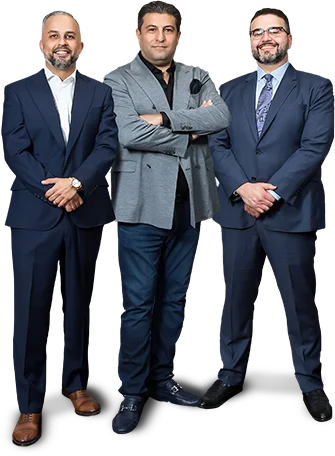
Why Choose Mokaram Injury Lawyers for Rideshare Accident Claims?
Experienced in Rideshare Law
Rideshare claims are complex; we know how to handle them. From navigating layered insurance policies to pinning down liability, we know the game and how to win it for you.
We Fight Aggressively
Our Houston rideshare accident lawyers don’t play nice with big rideshare companies like Uber and Lyft. We push hard, challenge their deep pockets, and won’t back down until you get the maximum compensation you deserve.
Maximizing Rideshare Insurance Claims
We are experts at getting the most out of the layered rideshare insurance policies that protect both drivers and passengers, ensuring nothing is left on the table.
Advanced Technology and Resources
We use cutting-edge technology to gather evidence, including accident reconstruction software, app data retrieval, and vehicle telematics, to build an airtight case.
No Win, No Fee
At Mokaram Injury Lawyers, you don’t pay a dime unless we win. We operate on a contingency fee basis, meaning we are as invested in your case as you are. Our focus is simple: get you the maximum compensation for your rideshare accident.
What to Do After a Rideshare Accident?
If you are involved in a rideshare accident, taking the right steps is crucial to protect your rights and ensure proper documentation for any claims. Here is a simple guide to help you navigate the process.
Ensure Safety and Call Emergency Services
Document the Scene
- Take photos Capture pictures of the vehicles, visible injuries, road conditions, and surroundings.
- Collect information Get the rideshare driver’s name, phone number, license plate, and insurance info. Also, gather witness contact details if possible.
Report the Accident
- Notify the rideshare company Use the app to report the incident (under “Help” or “Support”). Provide key details like date, time, and what happened.
- File a police report If the police arrive, ensure a report is filed. This will be crucial for any future claims.
Seek Medical Attention
Even if you feel fine, see a doctor. Some injuries, like whiplash, may not show up immediately but could have serious long-term effects.
Keep Records
Document everything—communications with Uber or Lyft, insurance companies, and medical providers. These records can be vital in supporting your claim.
Seek Medical Attention
Even if you feel fine, see a doctor. Some injuries, like whiplash, may not show up immediately but could have serious long-term effects.
Consult a Houston Rideshare Accident Lawyer
Rideshare accidents involve complex issues around liability and insurance. An experienced rideshare accident attorney can help you understand which policies apply and guide you through the claims process or litigation if needed.
Who is Liable for Your Injuries in a Rideshare Accident?
- If the rideshare driver was at fault and actively on a trip or en route to pick up a passenger, Uber or Lyft’s $1 million insurance policy typically applies and can cover injuries to passengers, other drivers, or pedestrians.
- If the rideshare driver was logged into the app but hadn’t yet accepted a ride, a lower-tier company policy may apply, usually offering up to $50,000 per person and $100,000 per accident for bodily injury.
- If the rideshare driver was not using the app at the time of the crash, their personal auto insurance is responsible for covering injuries and damages.
- If another driver—not the rideshare driver—caused the accident, that driver’s personal auto insurance would be the primary source of compensation for your injuries.
- In crashes involving multiple contributing factors, liability can be split between the rideshare driver, another motorist, or even third parties such as a vehicle manufacturer or a construction company.
- If the at-fault party is uninsured or carries too little insurance, your own Uninsured/Underinsured Motorist (UM/UIM) coverage may help cover medical expenses and other losses.
Why Should You Hire a Rideshare Accident Attorney?
If you have been injured in a rideshare accident, you need a Houston rideshare car accident lawyer who doesn’t hesitate to go head-to-head with powerful corporations.
Insurance companies love to twist the facts, delay claims, and undercut the value of your case.
Not with us. At Mokaram Injury Lawyers, our strategy is clear: We’re relentless, we’re aggressive, and we know how to leverage the system in your favor. You don’t have to fight this battle alone.
What Makes Rideshare Accidents Different from Regular Car Accidents?
Rideshare accidents introduce additional complexities compared to regular car accidents. Here is why:
Multiple Insurance Policies Depending on the driver’s status (logged in, waiting for a fare, or transporting passengers), either personal insurance, rideshare insurance, or both may apply, creating confusion in claims.
Driver Classification Rideshare drivers are independent contractors, not employees, which complicates the liability and accountability of rideshare companies like Uber or Lyft.
Third-Party Liability In some cases, both the rideshare company and the driver may share liability, requiring detailed legal expertise to pursue compensation.
Commercial vs. Personal Coverage Many personal auto insurance policies exclude rideshare activity, making the rideshare company’s commercial policy vital for accident claims.
Types of Houston Rideshare Accidents
- Multi-vehicle accidents often involve chain reactions between three or more vehicles, making fault hard to determine and claims more complex.
- Intersection accidents take place when drivers misjudge traffic signals, ignore right-of-way rules, or make unsafe turns.
- T-bone accidents occur when one car hits another directly on the side—usually caused by failure to stop at a red light or stop sign.
- Rear-end accidents happen when a driver crashes into the vehicle ahead, often due to distraction, speeding, or unsafe following distance.
- Head-on collisions result from one vehicle entering the wrong lane or direction, and they tend to cause severe or fatal injuries.
- Rollover accidents happen when a vehicle overturns, commonly due to sharp curves, speeding, or a high center of gravity.
- Sideswipe accidents involve vehicles brushing or slamming into each other while driving side-by-side, often during lane changes.
- Railroad accidents occur when a vehicle crosses tracks unsafely or becomes stuck, often leading to major impacts with oncoming trains.
- Hit-and-run accidents involve a driver causing a crash and fleeing the scene without stopping to exchange information or help.
- Uninsured driver accidents force injured parties to rely on their own insurance or legal options when the at-fault driver lacks coverage.
Common Causes of Rideshare Accidents in Houston
Rideshare accidents in Houston happen for many reasons, often leaving victims with serious injuries. The fast-paced nature of rideshare driving, along with external factors, creates a perfect storm for collisions. Our Houston rideshare car accident lawyers know how to pinpoint the cause of your accident and use it to fight for the compensation you deserve.
- Driver Distraction – Rideshare drivers often rely on apps for directions, fares, and communication, which can lead to dangerous distractions behind the wheel.
- Driver Fatigue – Many rideshare drivers work long hours to maximize earnings, leading to fatigue that impairs reaction times and judgment, increasing the risk of accidents or even wrongful death.
- Over Speeding – To fit in more rides and earn more money, rideshare drivers may speed up, creating unsafe driving conditions and increasing the likelihood of collisions.
- Reckless Driving – Quick lane changes or running red lights can lead to serious injuries, especially in car and motorcycle accidents where the impact is often more severe.
- Poor Vehicle Maintenance – Rideshare vehicles may not receive proper maintenance, leading to mechanical failures such as brake or tire issues that cause accidents.
- Unfamiliar Roads – Rideshare drivers may operate in areas they are unfamiliar with, leading to navigation errors, sudden stops, and wrong turns that cause accidents.
- Weather Conditions – Houston’s unpredictable weather, including heavy rains and flooding, creates dangerous road conditions that some rideshare drivers aren’t prepared to handle safely.
What Damages Can Houston Rideshare Accident Victims Recover?
Uber/Lyft accident victims in Houston can pursue several types of damages to cover the financial, physical, and emotional impact of the crash. Our rideshare accident lawyer in Houston ensures that you receive the maximum amount for all the losses you have suffered.
Economic Damages
Covers medical expenses, lost wages, and property damage—everything you’ve lost financially due to the accident.
Non-Economic Damages
Compensation for pain and suffering, emotional distress, and permanent disability or disfigurement from the accident.
Future Medical Expenses
Includes compensation for long-term medical care, rehabilitation, or any future surgeries or treatments required for your recovery.
Loss of Consortium
Covers the loss of companionship or support your injuries have caused in your relationships with family and loved ones.
What Class of Uber or Lyft Victim Are You?
Understanding your role in a rideshare accident is key to determining who may be liable and what kind of compensation you’re entitled to. You may fall into one of the following categories:
- Rideshare Passenger – You were inside an Uber or Lyft when the accident occurred. You’re usually not at fault and are often covered under the company’s insurance, regardless of who caused the crash.
- Rideshare Driver – If you were driving for Uber or Lyft when hit by another vehicle, you may be eligible for coverage under the rideshare company’s policy—depending on whether you were online or in the middle of a trip.
- Driver of Another Vehicle – You were driving your own car and were hit by a rideshare vehicle. You may file a claim against the Uber or Lyft driver’s insurance, or the company’s coverage if they were on an active ride.
- Pedestrian or Cyclist – You were struck by a rideshare vehicle while walking or biking. In most cases, Uber or Lyft’s liability insurance applies if the driver was active on the app.
What Types of Injuries Can Occur in a Rideshare Accident?
Whiplash
A sudden neck jerk during a collision can cause whiplash, leading to pain, stiffness, and mobility issues.
Traumatic Brain Injuries (TBI)
Head trauma in a rideshare accident can result in a TBI, causing memory loss, headaches, and cognitive issues.If you or a loved one has suffered a TBI, our traumatic brain injury lawyers can help.
Spinal Cord Injuries
Spinal cord injuries may result in paralysis, requiring long-term medical care and rehabilitation.
Broken Bones
Fractures and broken bones from an accident often need surgery and a lengthy recovery, affecting daily life and work.
Cuts and Lacerations
Accidents can cause cuts from debris, which may lead to scarring or infections.
Internal Injuries
Internal damage, such as organ injury or internal bleeding, can be life-threatening and requires urgent medical care.
Emotional Trauma
Accidents can cause emotional issues like anxiety, PTSD, and depression, impacting mental health long-term.
Where Serious Injuries Meet Serious Representation
Frequently Asked Question (FAQs)
What should I do immediately after a rideshare accident in Houston?
Ensure safety, call 911, seek medical attention, and document the accident with photos and witness contact information. Then, report the incident to Uber/Lyft through their app and consult a lawyer.
What if I’m partially at fault for the rideshare accident in Houston, Texas?
Texas follows a “modified comparative fault” rule, meaning you can still recover damages if you’re less than 51% at fault, but your compensation will be reduced by your percentage of fault.
How much does it cost to hire a rideshare accident lawyer in Houston?
Mokaram Injury Lawyers work on a contingency fee basis, meaning you pay nothing upfront. You only pay if they win your case, taking a percentage of your final settlement.

They are always committed to supporting the people and standing up for the cause. The staff treats everyone with compassion, especially Milagro, who goes above and beyond to ensure humane and respectful care.
Read more
From the moment I called, I felt at ease and that’s largely thanks to Lesly. She was incredibly kind, patient, and professional. It’s often overlooked, but that first interaction really sets the tone, especially when you’re calling about something as stressful and personal as a potential injury case.
Read more
had a great experience working with Lesly, who handled my case with professionalism, care, and attention to detail. From the beginning, they made me feel heard and supported, clearly explaining the process and always keeping me informed every step of the way. Their communication was timely and thoughtful, and they truly went above and beyond to make a stressful situation feel more manageable.
Read more
I spoke with Lesly over the phone and had such a great experience. She was incredibly helpful, patient, and informative. She took the time to explain everything clearly regarding my case and made sure I understood all my options. It made the process way less stressful. Thank you, Lesly, for your professionalism and kindness!
Read more
“I live near the Galleria and recently needed help with a premises case I experienced. Lesly Rodriguez took my information, and the entire process was handled smoothly. I appreciate the professionalism and efficiency!”
Read more
Working with Ali J was an excellent experience. He handled everything with professionalism and made the process clear and straightforward. I always felt informed and confident knowing he was representing me. I truly appreciate his expertise and highly recommend him.
Read more
Mokaram Injury Lawyers made a difficult situation so much easier to handle. Their team really fought for me and made sure I understood every step along the way. I felt like more than just a case number—they genuinely cared about my outcome. Highly recommend them to anyone in need of a reliable and dedicated injury lawyer in Houston!
Read more
If you’ve been injured and need someone to advocate for your rights, Mokaram Injury Lawyers is an exceptional choice. With years of experience specializing in personal injury cases, Mokaram Injury Lawyers offers expert legal counsel with a focus on maximizing compensation for medical bills, lost wages, and pain and suffering. Known for a compassionate approach and a strong record of successful outcomes, Mokaram Injury Lawyers fights hard to ensure justice for clients!
Read more

$43.5 Million
Astroworld Tragedy

$12 Million
Work Injury

$8 Million
Brain Injury

$3 Million
Car Accident
Awards & Honors















Contact Us Today to Schedule
Your Free Consultation
Fields Marked With An “*” Are Required
Mokaram