


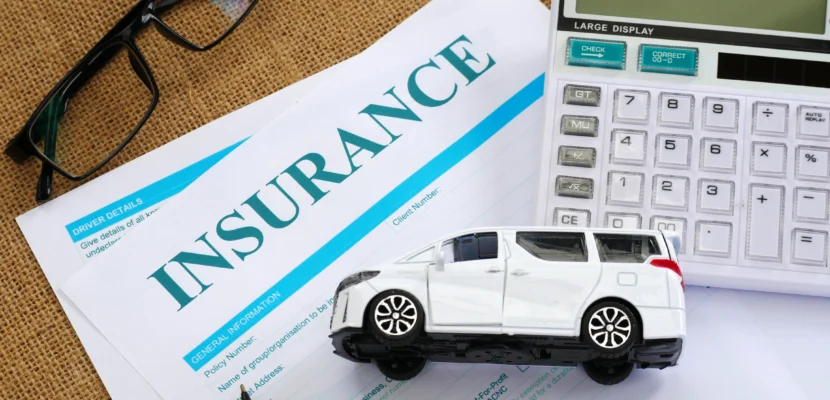
Texas liability insurance does not cover your own injuries, your own vehicle damage, accidents during rideshare driving, or damages that exceed your policy limits. Texas liability insurance covers the other driver’s injuries and property damage when you are at fault in a crash, but what it does not cover is a much longer list than most drivers realize, and that discovery after a car accident can upend everything you assumed about your financial protection.
If you are relying solely on the minimum required coverage, there are gaps in your protection that could leave you personally responsible for costs your policy will never touch.
What Texas Liability Insurance Actually Is
Before getting into what will not be covered under auto liability coverage, it helps to be clear on what it does. Under Texas Transportation Code § 601.072, Texas drivers are required to carry a minimum of:
- $30,000 per injured person
- $60,000 per accident
- $25,000 for property damage
This is known as 30/60/25 coverage.
Liability insurance is designed to protect other people from your mistakes. If you cause a crash, your liability policy pays for the other driver’s medical bills, lost income, vehicle repairs, and related damages up to your policy limits. That is where its job ends. Everything outside of that scope falls on you unless you have purchased additional coverage.
Your Own Injuries and Medical Bills
This is the gap that surprises people most. Texas liability insurance pays nothing toward your own medical treatment after an accident you caused. If you are the at-fault driver, your bodily injury liability coverage pays the other party’s hospital bills, not yours.
Two optional coverages exist to fill this gap:
- Personal Injury Protection (PIP), which Texas insurers are required to offer under Texas Insurance Code § 1952.152, covers your medical expenses and a portion of lost income regardless of fault
- Medical Payments (MedPay) coverage, which covers medical bills for you and your passengers, but does not include lost income
Both must be added to your policy separately, and both require a written rejection if you choose not to carry them.
Damage to Your Own Vehicle
Liability coverage does not pay to repair or replace your own car after an accident, even one that was entirely the other driver’s fault, if that driver had no insurance or not enough to cover the damage. Collision coverage pays for your vehicle repairs after a crash, regardless of who caused it. Comprehensive coverage handles non-collision damage such as hail, theft, flooding, and vandalism.
Neither collision nor comprehensive is required by Texas law unless your vehicle is financed, in which case your lender will typically require both. If you own your car outright and carry only the state minimum required insurance, your vehicle is not covered.
Accidents During Rideshare or Delivery Driving
If you drive for a rideshare service like Uber or Lyft, or make deliveries through an app-based platform, your personal Texas liability insurance policy almost certainly will not cover accidents that happen while you are working. Most standard personal auto policies include an explicit exclusion for commercial use of a personal vehicle.
This matters more than most drivers appreciate. An accident that happens while you have the app running, even between deliveries when you have no passenger in the car, may be outside the scope of your personal policy. Rideshare companies carry their own commercial policies, but the coverage available depends on which phase of the trip you were in at the time. Gaps between personal and commercial coverage in these situations can leave drivers responsible for costs neither policy covers.
Intentional Acts
No auto liability policy in Texas covers harm caused intentionally. If a driver deliberately strikes another vehicle or person, the insurer is not required to defend or indemnify that conduct. This exclusion is standard across all policies and is consistent with the basic principle that insurance exists to cover accidents, not deliberate wrongdoing.
Uninsured and Underinsured Drivers
If another driver hits you and that driver has no insurance or has coverage that does not fully cover your losses, your Texas liability insurance provides no protection for your own damages. This is a costly gap in a state where uninsured drivers are a consistent problem on the roads.
Uninsured and Underinsured Motorist coverage fills this gap. Under Texas Insurance Code § 1952.101, insurers are required to offer UM/UIM coverage, but drivers can reject it in writing. If you opted out of this coverage and are hit by an uninsured driver, recovering your damages becomes much more complicated.
Damages That Exceed Your Policy Limits
Texas liability insurance only pays up to the limits of your policy. If you cause a serious accident and the other driver’s medical bills, lost income, and pain and suffering damages exceed those limits, you are personally responsible for the difference.
The state minimum of $30,000 per person sounds substantial until you consider what a few days in a hospital costs, let alone a surgery, extended rehabilitation, or lost income over months of recovery. Serious accidents regularly produce damages that far outpace minimum policy limits, leaving at-fault drivers facing personal liability for the remainder.
Frequently Asked Questions About Texas Liability Insurance
Does Texas Liability Insurance Cover a Rental Car You Are Driving?
It may, but the answer depends on your specific policy. Some Texas liability policies extend coverage to rental vehicles used for personal purposes. Coverage may be excluded if you are using the rental for work purposes. Reviewing your policy declarations page or speaking with your insurer before renting is the safest approach.
Are Passengers in Your Car Covered Under Your Liability Insurance?
If you cause an accident and your passenger is hurt, they can pursue a car accident claim through your bodily injury liability coverage as a third party, or through their own PIP or health insurance. If someone else was at fault, your liability coverage does not kick in.
Can the Other Driver Sue You Even If You Have Insurance?
Yes. If your liability limits do not cover the full extent of the other driver’s damages, or if your insurance company does not offer a fair settlement, they can pursue you through a civil lawsuit. Your insurance generally must defend the lawsuit.
What Should You Do First After Being Hurt in a Car Accident in Texas?
Seek medical attention right away, even before thinking about insurance. Then document the scene, gather the other driver’s information, and file a police report if one was not already filed. Before giving any recorded statement to an insurance company, speak with a personal injury attorney.
If the At-Fault Driver Has Insurance but Their Limits Are Too Low to Cover My Damages, What Are My Options?
You have several potential paths. First, you can file a claim under your own underinsured motorist (UIM) coverage if you carry it. Second, you may be able to pursue the at-fault driver personally for the difference between their policy limits and your actual damages, though collecting from an individual can be difficult. Third, if there are other liable parties, such as an employer or a vehicle owner, additional insurance coverage may be available. An attorney can help identify all available sources of recovery before you accept a settlement that does not fully cover your losses.
Contact Our Personal Injury Lawyers in Houston for a Free Consultation
If you or a loved one was injured in an accident in Houston, Texas, our team is ready to fight for the compensation you deserve. Contact our experienced personal injury attorneys at Mokaram Injury Lawyers and request your free, no-obligation consultation today.
We proudly serve Harris County and its surrounding areas:
Mokaram Injury Lawyers
Address: 2500 W Loop S #450, Houston, TX 77027
Phone: 281-222-2222
Hours: Open 24/7
Our firm is located near you. Find us with our GeoCoordinates: 29.74123620, -95.45899350