
Burden of proof is the legal obligation to present evidence supporting a claim or defense. It determines which party must prove certain facts and how convincing that evidence must be. In most civil cases, the plaintiff must show their claim is more likely true than not, a standard known as the preponderance of the evidence. This means the evidence must tip the scales in the plaintiff’s favor by more than 50%.
What the Burden of Proof Means in Legal Cases
In any legal dispute, one party is responsible for proving its version of events. In most civil cases, that responsibility falls on the plaintiff. If the plaintiff cannot support each element of their case with evidence, the claim may not succeed. This framework ensures outcomes are grounded in facts, not assumptions.
The Two Parts of Burden of Proof
Burden of proof has two related components that work together throughout a case:
- Burden of production: The obligation to present enough evidence to raise a claim.
- Burden of persuasion: The obligation to convince the judge or jury that the claim is true.
The burden of production asks whether sufficient evidence has been introduced at all. The burden of persuasion then asks whether that evidence is convincing enough to meet the applicable legal standard. Both must be satisfied for a claim to succeed.
Common Standards of Proof in Civil Cases
Different cases call for different levels of proof. In civil law, the most widely used standard is preponderance of the evidence: a claim is proven if it is more likely true than not, meaning there is greater than a 50% chance the claim is accurate.
Other standards apply in specific circumstances:
- Clear and convincing evidence: A higher bar requiring a firm belief in the truth of the claim.
- Beyond a reasonable doubt: The most demanding standard, reserved for criminal cases.
Which standard applies determines how strong the evidence must be.
Burden of Proof in Texas Civil Cases
In Texas, civil cases generally follow the preponderance-of-the-evidence standard for personal injury and negligence claims. However, under Texas Civil Practice and Remedies Code § 41.003, a higher standard applies when a plaintiff seeks exemplary (punitive) damages. In those situations, the plaintiff must meet the “clear and convincing evidence” threshold. The required level of proof can shift depending on the type of damages pursued.
Who Has the Burden of Proof?
In civil cases, the plaintiff carries the burden. They must establish each element of their claim through admissible evidence. In a negligence case, for example, the plaintiff must prove:
- A duty of care existed
- That duty was breached
- The breach caused the injury
- Damages resulted from the injury
If any element goes unproven, the claim may fail. The initial burden rests with the party bringing the case, though it can shift under certain circumstances. For example, in a car accident case where a driver ran a red light and struck another vehicle, the plaintiff would need to show the driver had a duty to follow traffic signals, that running the red light was a breach of that duty, that the breach caused the collision, and that the collision resulted in documented injuries and losses.
When the Burden of Proof Shifts
The burden of proof can move between parties during a case. When a defendant raises an affirmative defense, such as arguing that the plaintiff was partially at fault, they assume the burden of proving that defense. In Texas, proportionate responsibility is governed by Texas Civil Practice and Remedies Code § 33.001, which divides fault among parties based on the evidence presented.
Evidence Used to Meet the Burden of Proof
Meeting the burden of proof means presenting relevant, admissible evidence tied to each element of the claim. The strength and reliability of that evidence directly affect the outcome. Common types include:
- Witness testimony: Statements from individuals with direct knowledge of the events.
- Documents: Medical records, contracts, financial statements, and similar records.
- Physical evidence: Tangible items related to the incident.
- Expert testimony: Opinions from qualified professionals in relevant fields.
Challenges in Meeting the Burden of Proof
Proving a claim is rarely straightforward. Evidence can be limited, conflicting, or difficult to interpret. Common obstacles include:
- Lack of documentation
- Conflicting accounts from witnesses
- Disputes over what caused the injury
- Difficulty placing a dollar value on certain damages
Detailed documentation and organized evidence help overcome these hurdles.
Burden of Proof Versus Legal Presumption
In some cases, the law creates presumptions, which are built-in assumptions that a fact is true unless disproven. When a presumption applies, the burden may shift to the other side to rebut it. This distinction can significantly influence how each party builds its case.
How Juries Evaluate the Burden of Proof
When a case goes to trial, jurors receive instructions on the applicable burden of proof and assess whether the evidence meets that standard. Jurors weigh:
- The credibility of witnesses
- The consistency of evidence across the record
- The strength of supporting documentation
- The overall likelihood of each side’s account
A verdict reflects the jury’s collective judgment on whether the burdened party has met it.
FAQ: Burden of Proof Questions
Can a Case Be Dismissed If the Plaintiff Fails to Meet the Burden of Proof?
Yes. If the plaintiff does not present enough evidence to establish each element of their claim, the court can dismiss the case or rule in the defendant’s favor, even without hearing the other side’s full defense.
Is the Burden of Proof the Same in Federal and State Courts?
The basic framework is similar, but specific rules vary between federal and Texas state courts. The preponderance standard is widely used in civil cases across both systems, though procedural rules around evidence may differ.
What Happens When Evidence Is Equally Balanced?
If evidence is evenly split and neither side clearly tips the scales, the plaintiff has not met the preponderance standard. The defendant generally prevails because the burden of proof is on the plaintiff.
What Does “More Likely Than Not” Actually Mean in Practice?
It means the evidence supporting your claim must be more persuasive than the evidence against it. A jury does not need to be certain your account is true, only that it is more believable than the alternative. Even a small edge in credibility or documentation can be enough to meet the standard.
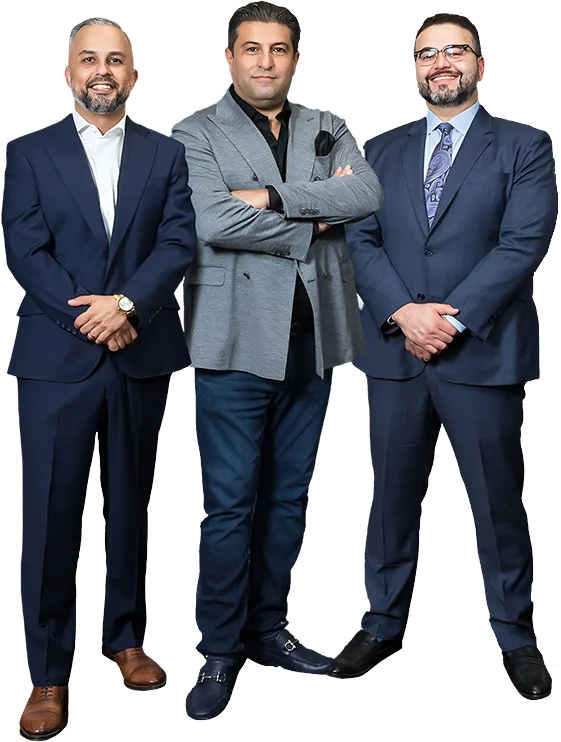
Speak With Mokaram Injury Lawyers About Your Case
When the stakes are high, who handles your case matters. At Mokaram Injury Lawyers, our team is available around the clock, with live support even after hours, when many firms are unreachable. Every client gets real attention, not a case number.
If you have questions about how the burden of proof applies to your situation, call us at 281-222-2222 or contact us online to schedule a free case review.

They are always committed to supporting the people and standing up for the cause. The staff treats everyone with compassion, especially Milagro, who goes above and beyond to ensure humane and respectful care.
From the moment I called, I felt at ease and that’s largely thanks to Lesly. She was incredibly kind, patient, and professional. It’s often overlooked, but that first interaction really sets the tone, especially when you’re calling about something as stressful and personal as a potential injury case.
had a great experience working with Lesly, who handled my case with professionalism, care, and attention to detail. From the beginning, they made me feel heard and supported, clearly explaining the process and always keeping me informed every step of the way. Their communication was timely and thoughtful, and they truly went above and beyond to make a stressful situation feel more manageable.
I spoke with Lesly over the phone and had such a great experience. She was incredibly helpful, patient, and informative. She took the time to explain everything clearly regarding my case and made sure I understood all my options. It made the process way less stressful. Thank you, Lesly, for your professionalism and kindness!
“I live near the Galleria and recently needed help with a premises case I experienced. Lesly Rodriguez took my information, and the entire process was handled smoothly. I appreciate the professionalism and efficiency!”
Working with Ali J was an excellent experience. He handled everything with professionalism and made the process clear and straightforward. I always felt informed and confident knowing he was representing me. I truly appreciate his expertise and highly recommend him.
Mokaram Injury Lawyers made a difficult situation so much easier to handle. Their team really fought for me and made sure I understood every step along the way. I felt like more than just a case number—they genuinely cared about my outcome. Highly recommend them to anyone in need of a reliable and dedicated injury lawyer in Houston!
If you’ve been injured and need someone to advocate for your rights, Mokaram Injury Lawyers is an exceptional choice. With years of experience specializing in personal injury cases, Mokaram Injury Lawyers offers expert legal counsel with a focus on maximizing compensation for medical bills, lost wages, and pain and suffering. Known for a compassionate approach and a strong record of successful outcomes, Mokaram Injury Lawyers fights hard to ensure justice for clients!


Awards & Honors










Contact Us Today to Schedule
Your Free Consultation
Fields Marked With An “*” Are Required