



The safest neighborhoods in Houston are typically found in its suburban and master-planned communities, where lower crime rates, active civic engagement, and consistent investment in local infrastructure contribute to meaningfully safer conditions. Areas like Sugar Land, Bellaire, West University Place, and Kingwood consistently rank among the best areas to live in Houston for families and individuals who prioritize personal security.
Why Houston, Texas, Crime Rate Differs By Neighborhood
Houston is the fourth-largest city in the United States, and its sheer size means that safety looks very different depending on where you are. The Houston Police Department’s annual crime statistics show significant variation from one zip code to the next. When people ask whether Houston is safe, the honest answer is that it depends heavily on the specific neighborhood.
Several overlapping factors shape whether a given area maintains lower crime rates:
- Active neighborhood associations and community watch programs
- Stable property values and well-maintained public spaces
- Accessible parks, schools, and local services
- Consistent law enforcement visibility
- Low residential turnover and strong community investment
Sugar Land: A Strong Record for Safety and Quality of Life
Located southwest of Houston, Sugar Land draws families with its planned community structure, lower-than-average crime rates, and strong school districts. Active homeowner associations and walkable public spaces reinforce a sense of security, putting it near the top of most lists of the best areas to live in Houston.
Bellaire: Residential Calm Close to the City
Bellaire sits within the loop of major Houston highways and runs its own police department, separate from Houston PD. That independent approach to public safety, combined with walkable streets and a tight-knit community, makes it a solid choice for those who want city access without higher crime rates in the surrounding area.
West University Place: Stability and Established Community Identity
West University Place, known locally as “West U,” runs its own municipal government and police department. Tree-lined streets, recreational facilities, and lower crime rates make it a desirable option for those who prioritize safety, though the cost of living here is higher than in much of the metro.
Kingwood: Suburban Living With a Natural Setting
Kingwood, often nicknamed the “Livable Forest,” sits northeast of Houston along the San Jacinto River corridor. The community’s design emphasizes green space, walking trails, and a residential focus that keeps traffic and commercial density lower than many urban neighborhoods. The City of Houston absorbed Kingwood in 1996, but the community retains much of its original planned character, including lower reported crime rates relative to more central parts of the city.
Friendswood: Community-Focused and Family-Friendly
Friendswood, southeast of Houston near the Galveston County border, has its own police force and consistently reports lower crime rates than the broader metro. A tight civic culture and residential focus have built a reputation as one of the more family-friendly places in the Houston area.
How to Evaluate Safety Before Choosing Where to Live
General rankings are a starting point, not a final answer. Spending time in an area and reviewing specific data gives a clearer picture than reputation alone.
Helpful steps when evaluating a neighborhood:
- Visit the area at different times of day to assess foot traffic, lighting, and general upkeep
- Talk to current residents about their day-to-day experience
- Check proximity to fire stations, hospitals, and emergency services
- Look at trends over time, not just a single year’s snapshot
Urban Neighborhoods and Changing Safety Trends
Not every safer pocket in Houston is a suburb. Midtown, just south of downtown, has seen meaningful redevelopment, and parts of the area have reported improved safety as foot traffic and new businesses have taken hold. Urban neighborhoods still show more block-by-block variation than suburbs, so researching specific streets matters more than relying on general neighborhood labels.
Even Safer Neighborhoods Are Not Risk-Free
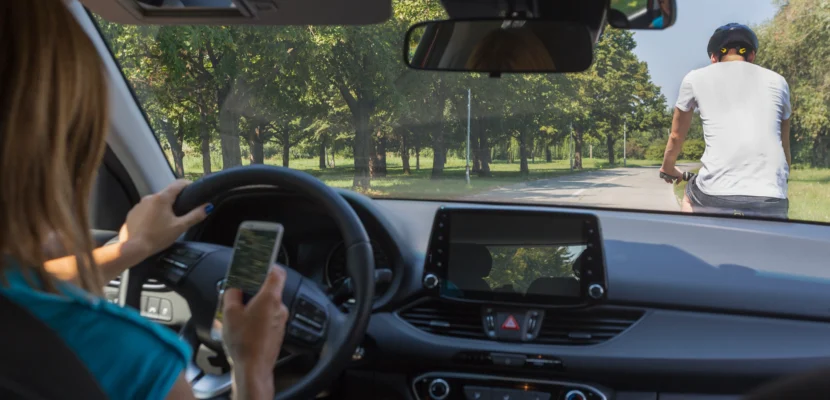
Choosing a lower-crime neighborhood reduces certain risks but does not eliminate all of them. Traffic accidents, slip-and-fall incidents, and other injury-causing events can occur anywhere in the Houston metro area. Houston recorded over 66,200 traffic crashes in 2024 alone, according to TxDOT data. This is a reminder that road risk follows residents regardless of zip code.
FAQ: Safety in Houston Neighborhoods
Does Houston’s Crime Rate Affect Home Insurance Premiums?
Yes, in many cases. Insurers factor local crime data into homeowner and renter policy rates, meaning residents in higher-crime zip codes may pay more for coverage. Shopping multiple carriers and asking specifically about neighborhood-level risk factors can make a meaningful difference in what you pay.
How Does Houston’s Traffic Safety Record Compare to Other Major Texas Cities?
Harris County consistently leads the state in total crashes, injuries, and fatalities year over year, according to TxDOT data. Dallas and San Antonio report significantly lower annual crash totals despite comparable population sizes, making Houston’s roadways statistically among the most hazardous in Texas, regardless of which neighborhood a person lives in.
How Does Houston’s Crime Rate Compare to Other Large Texas Cities?
Houston’s overall crime rate has historically been comparable to other major Texas metros like Dallas and San Antonio, though it fluctuates year to year. The FBI’s Uniform Crime Reporting data provides annual city-by-city comparisons that offer useful context when evaluating Houston against other metropolitan areas.
Are There Safe Neighborhoods in Houston for Renters?
Yes. Several of the neighborhoods discussed here, including parts of Kingwood and Friendswood, have rental housing options. While ownership-heavy communities sometimes have lower crime rates due to greater residential stability, renters can find safe, well-maintained areas throughout the Houston metro with some research.
Mokaram Injury Lawyers Is Here When You Need Help
Our team at Mokaram Injury Lawyers is available around the clock, including evenings and weekends, because we know that accidents do not follow a schedule. We treat every client like family and make ourselves accessible when you need us most. Whether you have a question about a recent accident or need guidance after an injury anywhere in the Houston area, we are ready to help.
Call us at (281) 222-2222 or contact us online for a free case review.